Retention & Customer Value
Retention Is What Makes Acquisition Durable
Practical lessons from Intuit Mailchimp's Marketing Success Season 2026 on behavioral signals, second purchases, lifecycle marketing, and durable customer growth.
By Daniel Caplin · 2026-08-25 · 6 min read
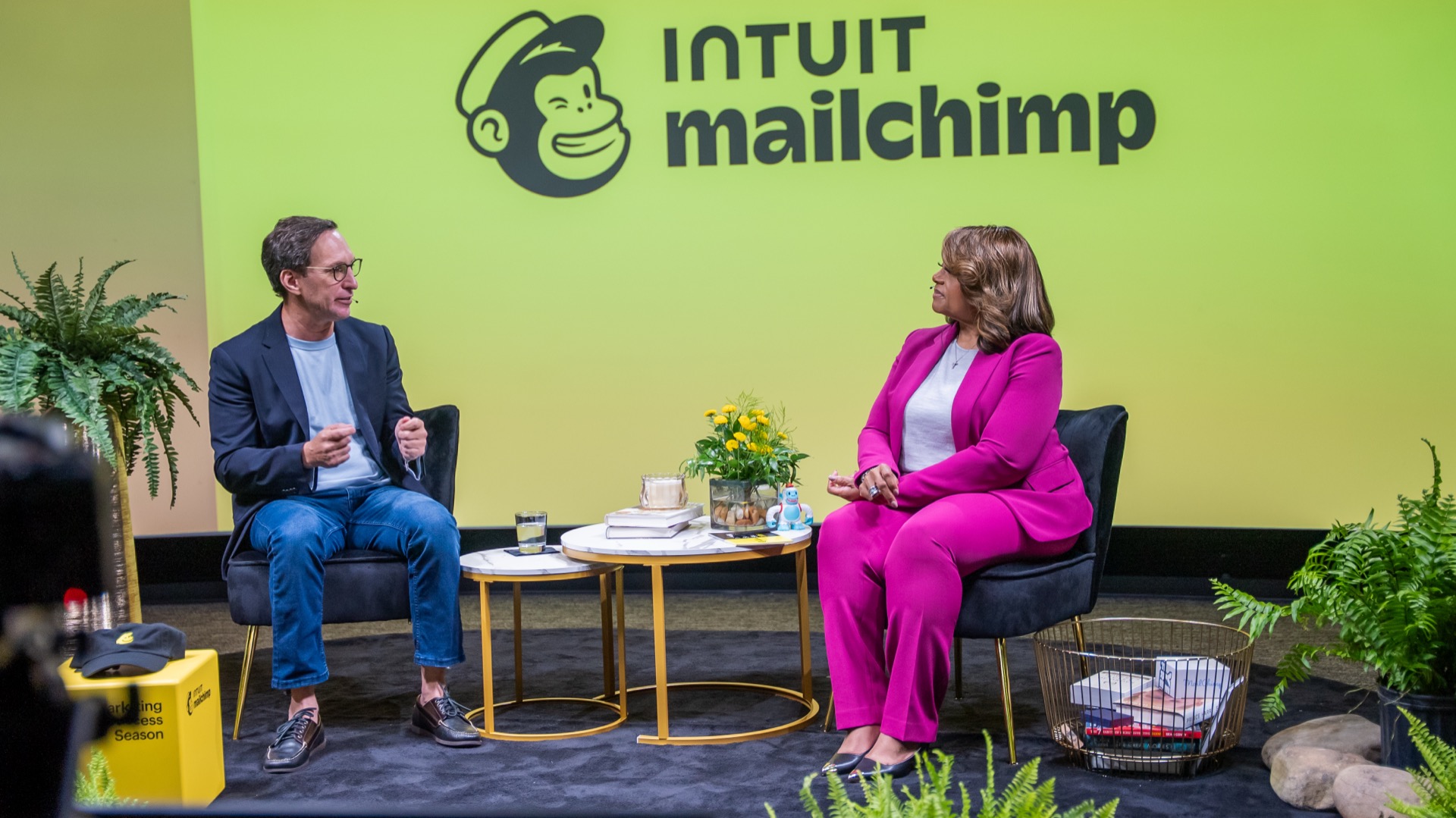
On August 5, I joined Intuit Mailchimp for Marketing Success Season 2026, a practical day of conversation about how marketers can respond to a changing buying environment.
My segment was Session 3: Behavioral Signals & Growth Opportunities — Retention Over Acquisition, with Crystal Washington and moderator Sharon Harris. We focused on what happens after the first purchase: how a business can use what a customer has already shown it to make the next interaction more useful.
Watch Marketing Success Season 2026 on demand and select Session 3.
The central idea is straightforward:
Retention is not the opposite of acquisition.
Acquisition creates the first opportunity. Retention determines whether that investment becomes economically durable and develops into a lasting customer relationship.
In opening the session, Sharon framed the peak-season opportunity clearly: “It might come from the customers who already trust you.”
Start with the customer's current state
Personalization starts before the subject line. It starts with knowing whether you are talking to a prospect, a first-time buyer, a loyal customer, or someone whose needs have changed.
Those customers do not need the same message:
- A prospect with demonstrated intent may need confidence, relevant proof, and a clear next step.
- A first-time buyer may need help reaching value quickly and a well-defined second-purchase path.
- A repeat or high-value customer may value recognition, convenience, early access, or an easier reorder.
- A lapsed customer needs a relevant reason to return—not another generic broadcast.
- A recently engaged non-buyer may need one hesitation resolved rather than more volume.
When the customer state is wrong or unknown, even technically sophisticated automation can deliver the wrong experience more efficiently.
Behavioral signals need a job
Clicks, purchases, product interest, time since purchase, service issues, channel preference, and declining engagement can all help choose the next action. But collecting more data is not the goal.
The useful question is: What should this signal change?
A first purchase might trigger onboarding and expectation setting. An expected replenishment window might trigger a reminder. A recent click without a purchase might trigger focused product information. A delivery problem should trigger service recovery before another promotion.
Signals become valuable when they improve a decision or a customer experience.
Crystal made the relationship test especially practical: “This is not where we sell.” When purchase frequency begins to decline, the first response should often be useful support that restores value and trust—not an automatic promotional push.

Give each channel a distinct role
Email, SMS, paid media, transactional communications, and human outreach should not compete to claim the same customer. They should do different jobs.
- Email can support education, merchandising, onboarding, and longer lifecycle journeys.
- SMS is best used as a permissioned, timely, high-intent channel.
- Paid media can acquire new customers, test messages, and selectively support re-engagement.
- Transactional communication should serve the immediate customer need first.
- Human outreach still matters for valuable, considered, B2B, or operationally complex purchases.
The goal is not to give every channel a trophy. It is to understand which customer changed behavior, what evidence preceded that change, and how confident we are.
Measure the path from first purchase to second
Campaign metrics are useful, but they do not tell the whole economic story.
A more useful operating sequence is:
Marketing spend → verified new customer → first purchase → second purchase → cohort lifetime value
That sequence forces several important distinctions:
- A lead is not automatically a new customer.
- Returning-customer revenue should not make acquisition appear more efficient.
- Channel influence is not the same as revenue ownership.
- Repeat behavior needs its own measurement window.
- Uncertainty should remain visible instead of being forced into a convenient attribution story.
The second purchase is especially useful. It is an early test of whether the first customer experience earned the next interaction.
Keep automation human
Automation should help a business recognize context and respond consistently. It should not flatten every customer into the same journey.
The best lifecycle systems preserve customer choice, respect timing and cadence, and make it easier for people inside the business to do the right thing. Relevance, service, and trust are not soft additions to the system. They are part of how retention works.
The live AMA widened the conversation
The final session brought the presenters together for audience questions spanning retention, AI discovery, customer experience, pricing, data quality, and marketing operations.

The range of questions reinforced a useful point: customer growth is not one channel or one campaign. It depends on clear information, relevant experiences, dependable follow-through, and a business that can recognize what the customer needs next.
Thank you to Intuit Mailchimp and to Crystal Washington, Adam Vasallo, Libby Saylor Wright, Aubriana Alvarez Lopez, and Sharon Harris for the ideas and practical perspective shared throughout the event.
Put the ideas to work
If you want to assess the foundation behind your own retention work, start with DCAP's free Audience & Retention Scorecard. It asks 12 practical questions across customer identity, relevance, timing, and measurement, then gives you the first areas to address. You can print or save the results.
Take the Audience & Retention Scorecard
You can also explore these related DCAP resources:
- Do You Really Know Your Audience? 12 Questions Every Retention Team Should Answer
- From First Purchase to Second: The Retention Journey Most Businesses Do Not Measure
- Campaign Metrics Are Not Customer Value
- From Channel Metrics to Customer-Growth Decisions: The Half Off Wholesale Retention Case Study
Photography courtesy of Intuit Mailchimp.